


Uncategorized

The New Rules of Email Personalization in 2026

Let’s be honest: slapping a customer’s first name into a subject line used to feel like magic. Today? It barely raises an eyebrow. In fact, most people see it as a sign that you haven’t personalized anything—you’ve just automated a name-drop.

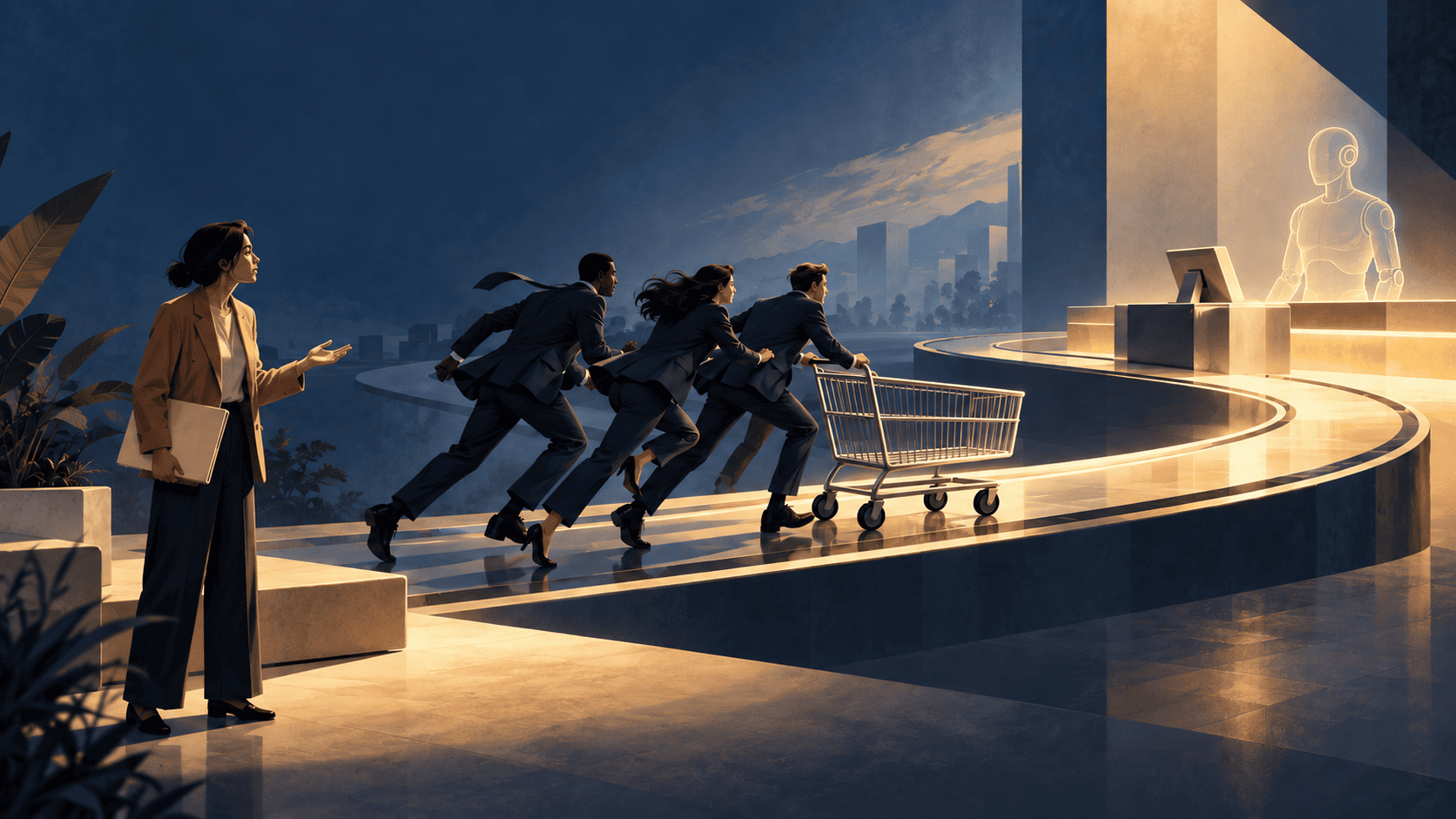
Why the shift? Because AI has completely changed the game. Consumers now have smart shopping assistants that predict their needs before they even type a search query. When that’s the competition, sending a bland, one-size-fits-all email doesn’t just perform poorly—it actively tells your audience, “We’re not really paying attention to you.”

So, what does real personalization look like in 2026? It’s not about a single trick; it’s about using better ingredients. You need two types of data:

  1. Zero-party data – what customers tell you directly (like quiz answers, style preferences, or onboarding surveys). This is gold because it comes with intent.
  2. First-party data – what customers show you through their actions (purchase history, browsing habits, clicks). This tells you what they actually do, which is often different from what they say.

The top-performing brands mix these two into a single customer profile and use it to drive every decision. They don’t treat data collection as a one-off survey; they bake it into the very start of the customer journey.

Now, let’s get into the practical stuff. Here’s what separates the pros from the amateurs:

  • Smart automation, not generic drips. Take abandoned carts. Most brands send the exact same reminder to everyone. But a person with $250 in their cart probably doesn’t need a discount—they need reassurance. A person with $35 might convert with a 10% off code. Conditional logic lets you split these paths and send the right message to the right person.
  • Predictive churn prevention. Don’t wait until someone unsubscribes to react. AI can spot warning signs—like dropping engagement or changing purchase patterns—so you can send a targeted “we miss you” offer before they slip away.
  • Behavioral triggers over fixed schedules. Instead of waiting for your weekly newsletter, send an email when a customer is actually interested—like right after they’ve viewed a product three times without buying.

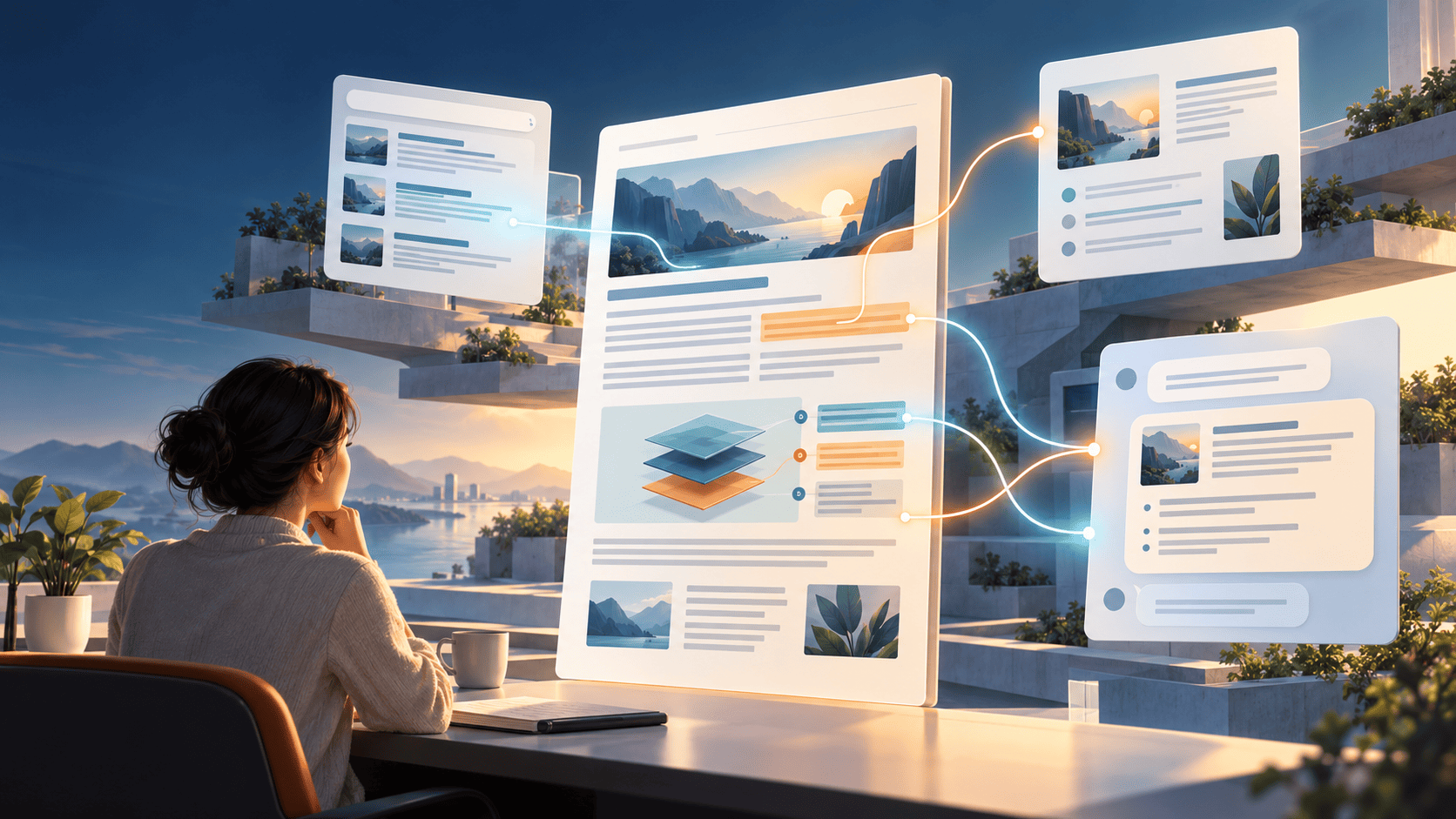
And don’t stop at the subject line. Personalize the images, the product recommendations, and the call-to-action buttons inside the email. For e-commerce, tailored product recommendations consistently crush generic blocks in terms of clicks and sales.

If this feels overwhelming, don’t panic. You don’t need to rebuild everything overnight. Start small: audit your current segmentation, add a quick preference quiz to your welcome flow, build one conditional split into an existing automation, and clean up who you’re sending to (stop emailing people who just bought something!). Track your personalized sends separately so you can actually measure what works.

The bottom line? In 2026, personalization means anticipating what your customer wants and delivering it at the exact moment it matters. You already have the data. The only question is whether you’re using it with intention.

Leave a comment

Your email address will not be published. Required fields are marked *